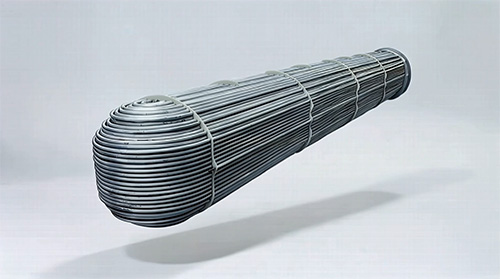
CopyRight © 2026 Jiangsu Sinchao Metals Tech Co., Ltd. all rights reserved


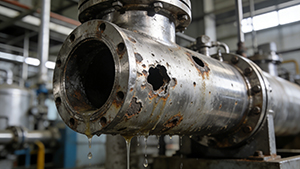
In hydrochloric acid, mixed acid, and high-chlorine wastewater, stainless steel equipment perforates and leaks within a few months, frequent shutdowns for replacement, high maintenance costs
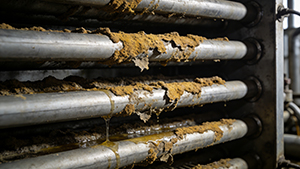
Evaporator heat exchange tubes scale rapidly, heat transfer efficiency drops precipitously, steam energy consumption soars by more than 30%, cleaning shutdowns become the norm
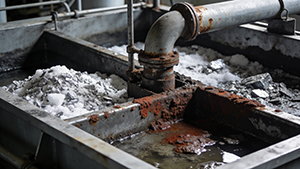
Salts or metals to be recovered, due to equipment corrosion product pollution, purity does not meet standards, can only be disposed of as hazardous waste, bearing double costs
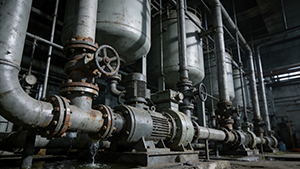
Fragile equipment cannot support continuous, stable high-load operation, "Zero discharge" Projects struggle with frequent failures.
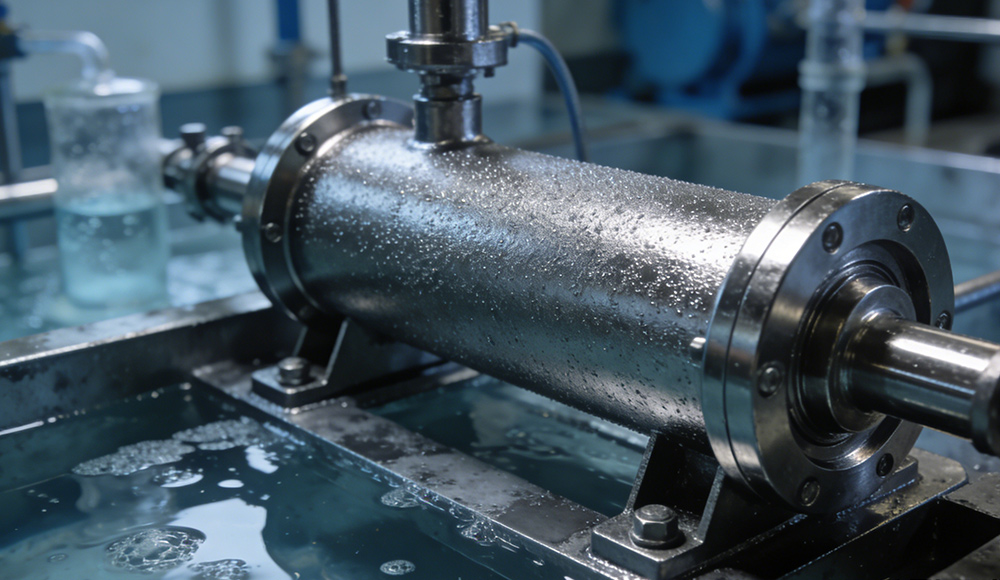
Industrial pure tantalum (Ta)
Surface forms dense chemically inert tantalum pentoxide film, annual corrosion rate <0.01mm, almost no reaction.
Absolute anti-corrosion: Completely eliminate leakage and shutdown caused by corrosion, equipment lifespan can reach over 20 years
Industrial pure Titanium (TA2/TA10) or Zirconium (Zr702)
Titanium/Zirconium passivation film has extremely strong resistance to chloride ions, pitting and crevice corrosion resistance far exceeds stainless steel.
Resist chlorine damage: Maintain long-term stability in seawater and high-salt environments, avoid sudden perforation leakage.
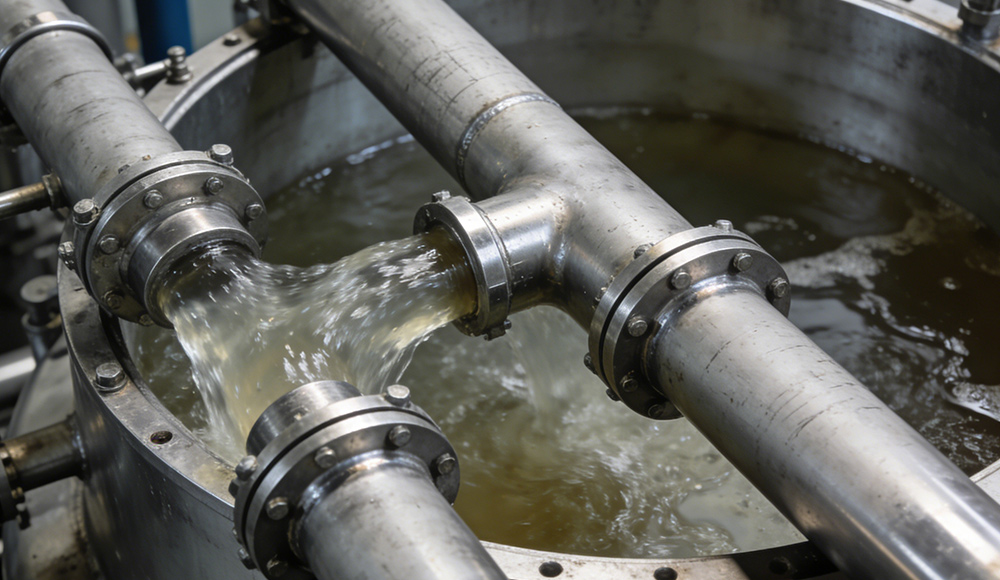
Hastelloy (C-276, B2) or custom alloy
Nickel-based alloys have extensive adaptability between reducing and oxidizing media, composition can be adjusted targetedly.
Dealing with unknown and complex: Providing reliable, broad corrosion resistance guarantee for wastewater with fluctuating composition

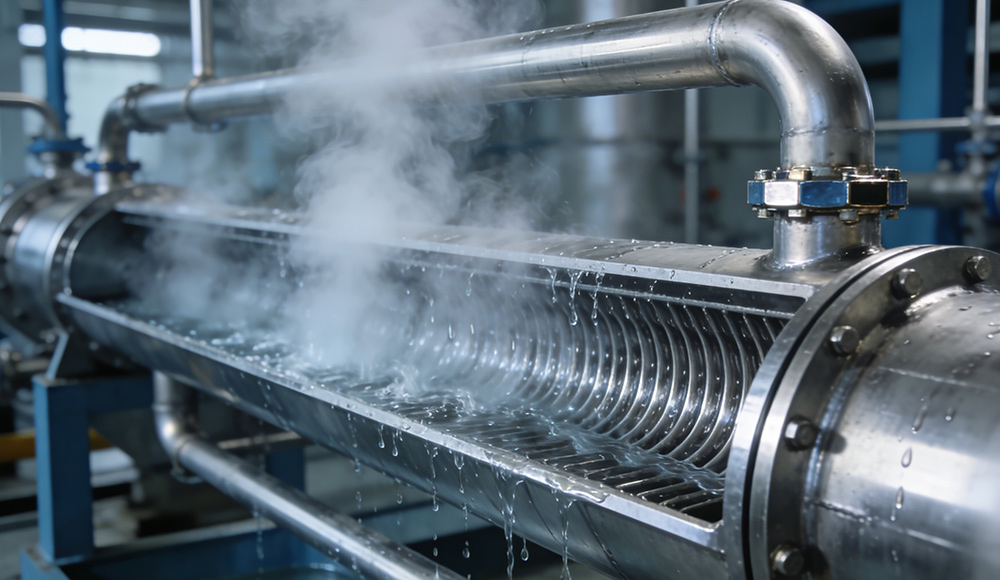
Efficient evaporation, reduce subsequent treatment scale and cost
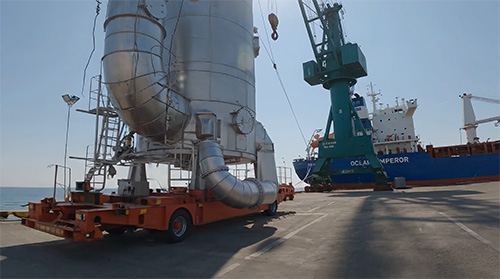
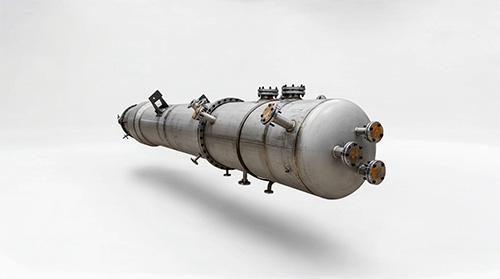
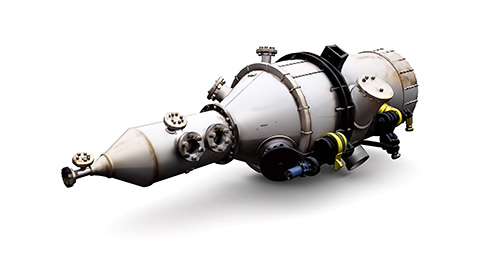
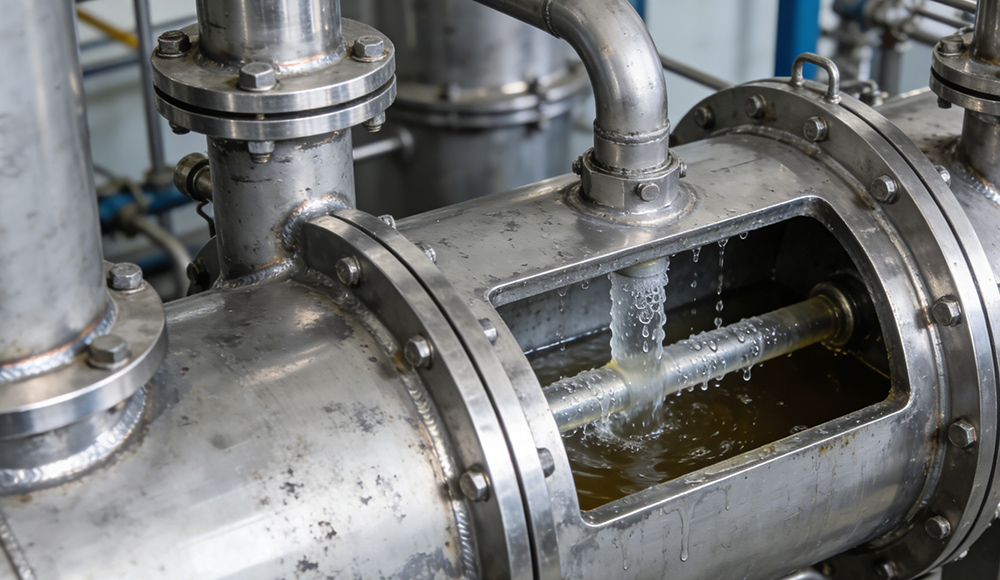
Titanium/tantalum falling film evaporator • falling film principle, high heat transfer coefficient, low energy consumption. • titanium/tantalum material, strong anti-scaling ability, cleaning cycle extended 2-3 times.
Reduce wastewater volume by more than 90%, significantly reduce evaporation energy consumption per ton of water, continuous and stable operation
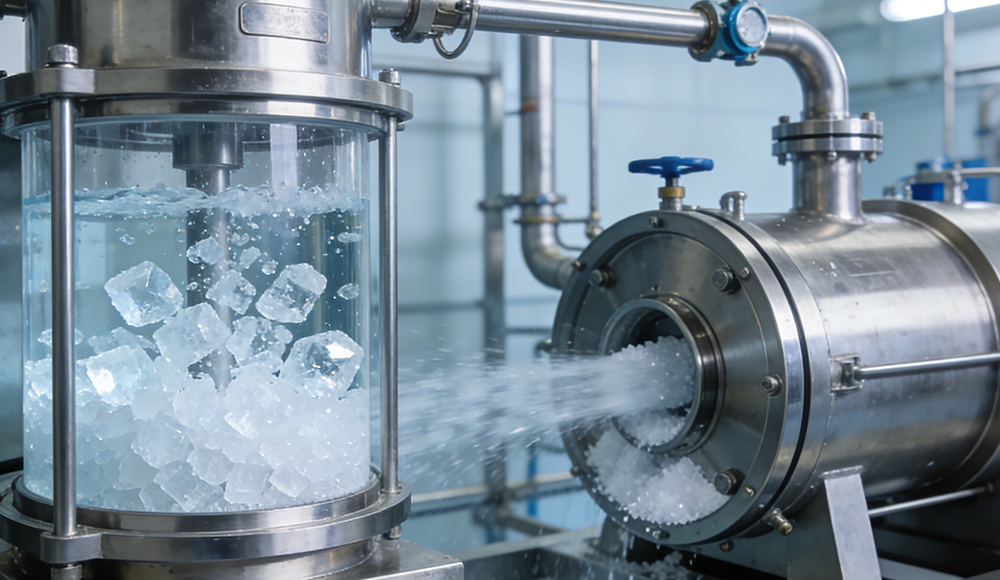
Achieve salt resource recovery, eliminate mixed salt hazardous waste
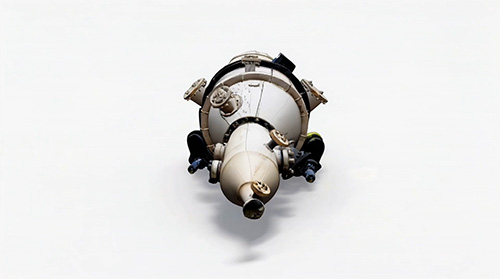
Titanium/Tantalum OSLO crystallizer & centrifuge • precise temperature control, produce large particle, high purity crystals. • material inertness, ensure salt purity (can reach industrial grade standards).
Turn waste into treasure: Sodium sulfate, sodium chloride, etc. Separate crystallization, generate economic benefits, offset part of operating costs.
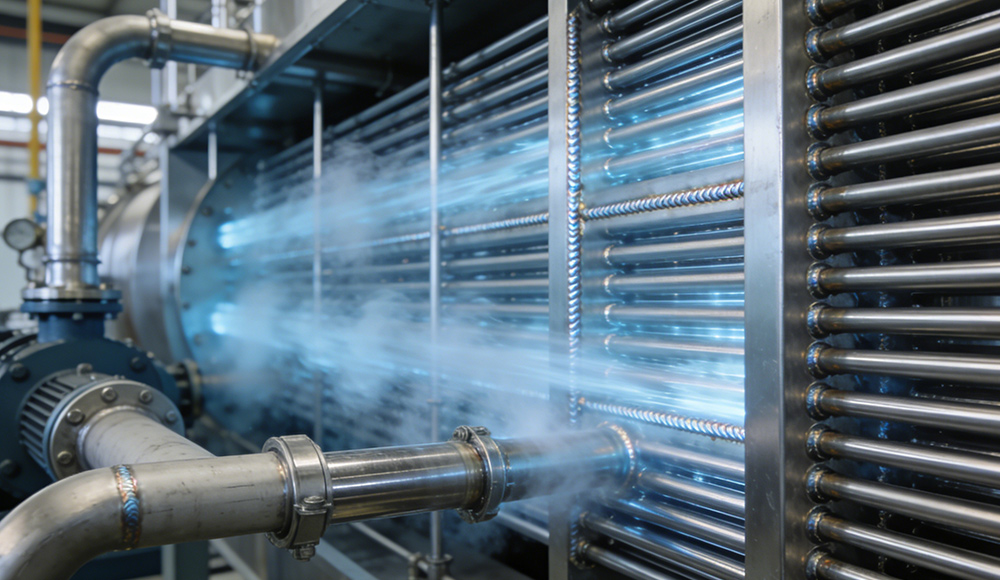
Achieve mechanical vapor recompression, ultimate energy saving.
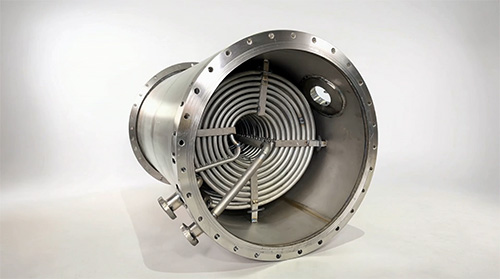
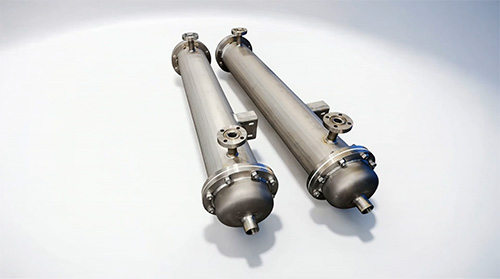
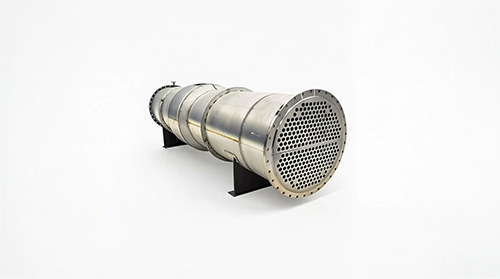
Titanium thin-wall tube/tantalum tube MVR heat exchanger • ultra-thin wall thickness (can be 0.5mm), ultimate improvement of heat transfer efficiency. • fully automatic welding, cope with vapor phase change corrosion and high-speed erosion.
System power consumption replaces more than 95% of steam, achieving near "Zero steam consumption" Operation mode.
Direct treatment of high-concentration waste acid, recover acid or metal.
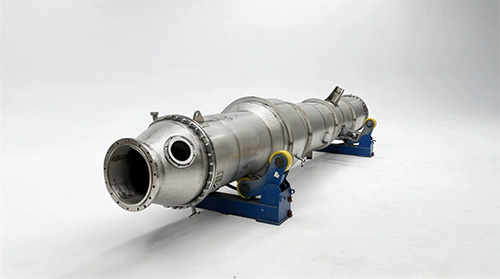
All-tantalum or tantalum-lined distillation system, reactor • withstand the harshest acid environment, achieve acid purification and reuse. • can directly extract and recover valuable metals from acidic waste liquid.
Directly reduce hazardous waste disposal volume, recover high-value raw materials, achieve dual benefits of environment and economy.
Chloride ions and hypochlorite in waste acid are the kings of pitting, while nickel and chromium ions can easily cause galvanic corrosion. Tantalum's oxide film has extremely high potential, completely inert in this environment, corrosion current density close to zero, is the only material that can guarantee long-term safety
The waste liquid flows down the pipe wall in a thin film, with a short residence time (<10 seconds), preventing the decomposition of heat-sensitive substances. Meanwhile, the high turbulence of the liquid film delays the deposition and scaling of salts on the heated wall.
Tube plate connection: Tantalum steel explosive composite tube plate is used to solve the problem of dissimilar metal connection.
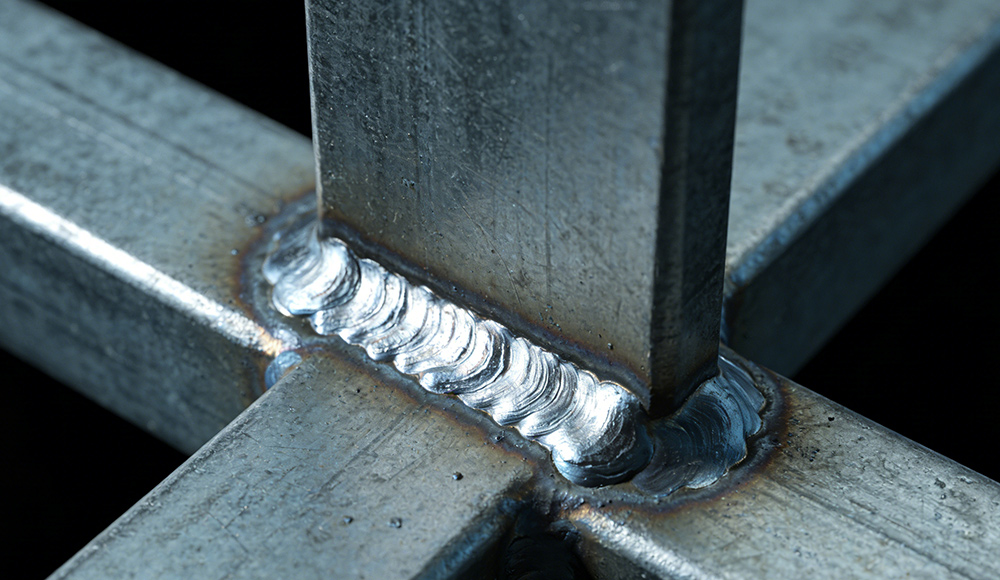
Welding: Automatic welding is carried out in an argon filled protective box, with silver white welds and 100% radiographic testing.
Scale prevention design: Accurately calculate the aperture and flow rate of the membrane distributor to ensure uniform membrane distribution throughout the entire pipe wall and suppress scaling from the design end.
The lithium source (such as LiOH) in NCM materials has strong alkalinity at high temperatures and high fluidity. The α - phase reinforced alumina based composite material we use has a stable crystal phase in this temperature range and alkaline environment, which can effectively block the diffusion channels of lithium ions.
We have designed specific internal cavity inclination angles and micro textured surfaces to address the volume shrinkage characteristics of the material after sintering. This not only facilitates demolding but also reduces the contact stress between the material and the bowl, preventing adhesion.
Laboratory test life: Under simulated working conditions, after continuous sintering for 150 times, no cracking occurred, and the flexural strength retention rate was>85%.


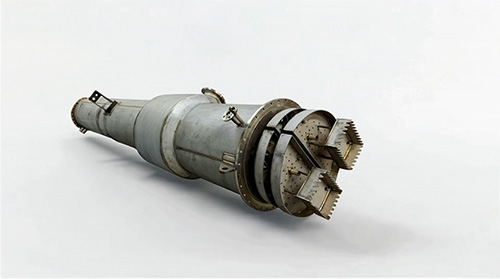
The titanium alloy grid fin adopts a honeycomb-like winglet structure with a rectangular frame and an internal angle of ±45°, resembling a "flyswatter". This design achieves the following functions through the coordinated work of mult...
Extremely corrosion-resistant Under working conditions where ordinary stainless steel would quickly become perforated, titanium can last for many years Light weight, high strength About 45% lighter than stainless steel, with low installation and suppor...
Clean the furnace chamber Regular cleaning: After each use, wait for the furnace chamber to cool down to below 200℃, then use a soft-bristled brush or vacuum cleaner to remove any residues, to prevent corrosion of the furnace tubes or interference with t...
Lightweight yet Highly Strong: The density of TA2 titanium alloy is approximately 4.51g/cm³, which is only about 60% of steel, yet its strength is comparable to many high-grade steels. This characteristic enables TA2 titanium alloy to reduce weight i...
1. Industrial field Chemical pipeline: transporting highly corrosive media (such as sulfuric acid and hydrochloric acid), with the inner tube made of PTFE or titanium alloy, the outer tube made of carbon steel, and an interlayer for corrosion prevention ...
The 310S rotary kiln achieves dynamic heating of materials through the rotation of its cylinder. Its core design includes: Furnace tube structure: Material: 310S seamless steel pipe or welded pipe is used, with the wall thickness customized according to...